Decoding Tumors: Inside the Spatial Revolution in Cancer Research - Pfizer
Decoding Tumors: Inside the Spatial Revolution in Cancer Research Pfizer
1140 материалов по теме, собраны автоматически из проверенных источников

Decoding Tumors: Inside the Spatial Revolution in Cancer Research Pfizer

Bladder cancer claims 220,000 lives globally each year, with symptoms sometimes mistaken for other conditions such as kidney stones. Now researchers have developed an artificial intelligence system that can identify bladder cancer patients up to five years before their official diagnosis, potentially revolutionizing…
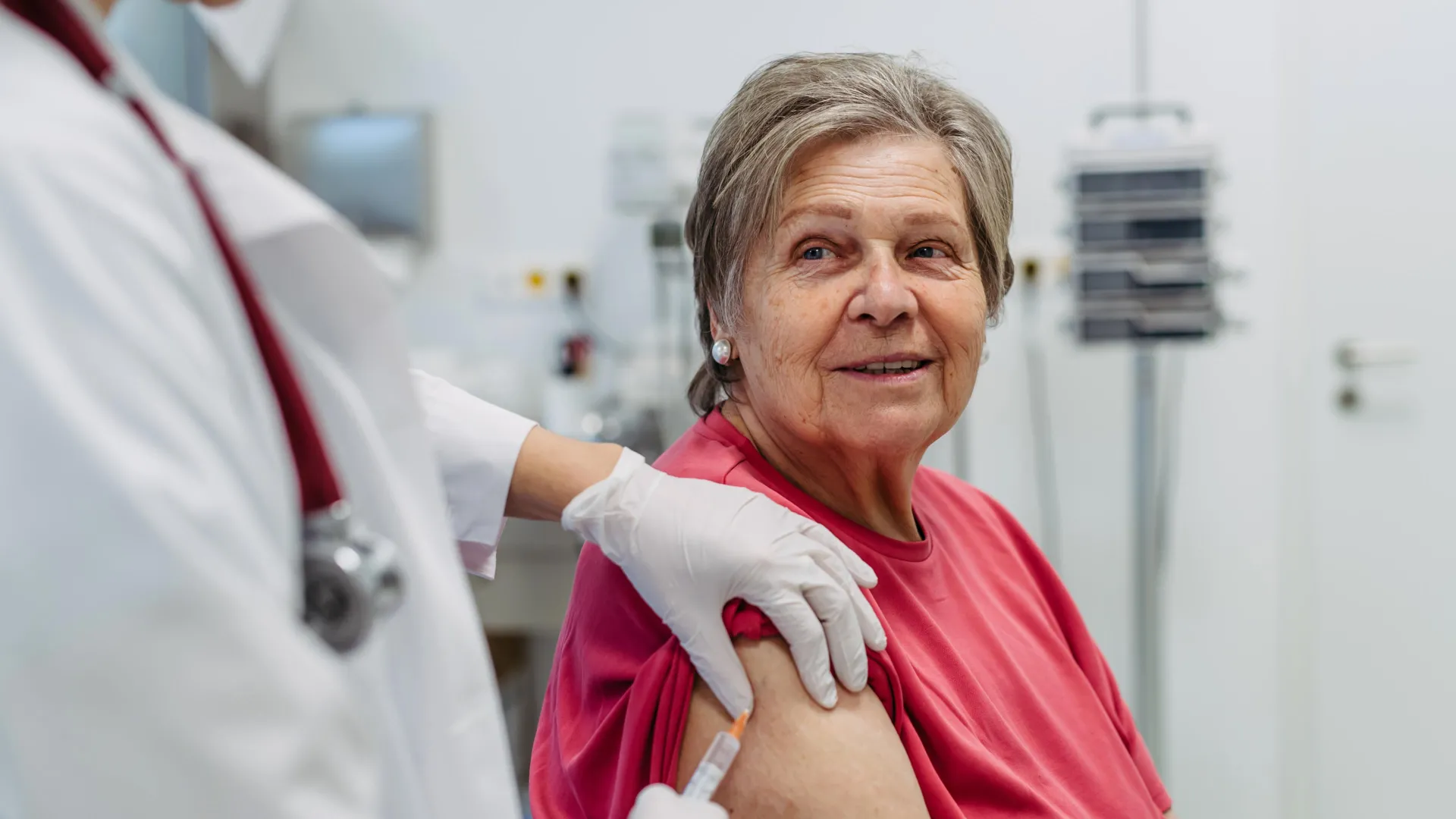
Older adults who received the Shingrix shingles vaccine were 24% less likely to be diagnosed with dementia over four years in a study of more than 500,000 people. Researchers estimate the difference could amount to roughly one dementia case prevented for every 17 people vaccinated.

Allegheny Health Network and The START Center for Cancer Research Announce Strategic Collaboration to Expand Patient Access to Early-Phase Cancer Trials PR Newswire

Beyond lifelong physical conditions, cancer survivorship can bring long-term mental health concerns, such as anxiety, depression and isolation. In an effort to support cancer survivors, researchers from Drexel University are exploring music therapy as a way to better understand what they're going through and help them…

Профилактика ВПЧ: Два десятилетия научных исследований показывают, что она снижает бремя болезней и рака. Vietnam.vn

The Evolution of Artificial Intelligence in Oncology: Impact on Trials, Workflows, and Outcomes CancerNetwork

New research from UTHealth Houston found firefighters experience measurable biological changes in their blood and urine within 24 hours of fighting a fire—changes that may help identify early cancer risk, the leading cause of death among firefighters.

A new Northwestern Medicine study has identified a previously unknown mechanism by which an enzyme promotes cancer cell proliferation, establishing it as a promising therapeutic target for cancer, according to findings published in Nature Communications.

Researchers in Purdue University's College of Pharmacy have developed and validated a new series of small-molecule inhibitors that promote antitumor immunity and hold promise as anticancer agents.


Older adults with mild cognitive impairment and sleep problems who took at least 5,000 IU of vitamin D daily scored more than 13% higher on a cognitive test than those taking none. The preliminary findings suggest vitamin D could be worth studying as a potentially modifiable factor during an early window of cognitive…

AI may be able to predict how strongly someone will respond to a vaccine before they receive it. By analyzing antibody patterns in more than 4,000 people, researchers found signs of “immune readiness” that helped distinguish strong responders from weak ones. Surprisingly, even some healthy people responded poorly…

The conduct of federally sponsored cancer clinical trials requires millions in drug costs, but expenditures are significantly less when led by another sponsor. An evaluation of nearly 1,400 federally sponsored studies showed the median cost per trial exceeds $7.5 million, but for trials solely led by federal…

A telehealth-based smoking cessation program significantly improved quit rates among patients with cancer treated at community practices. A randomized trial showed patients who received the virtual intervention, which also included no-cost medication, achieved double the abstinence rate at 6 months compared with those…