How biology is reshaping breast cancer care
How biology is reshaping breast cancer care The Cancer Letter
990 материалов по теме, собраны автоматически из проверенных источников
How biology is reshaping breast cancer care The Cancer Letter
How Paxalisib Is Being Studied in Treatment-Resistant Breast Cancer Cure Today

Launching a Venture Philanthropy Program to Accelerate Breast Cancer Innovations - BCRF Oncodaily

Wake Forest Researchers Identify a Protein That Helps Aggressive Breast Cancer Spread to the Brain BioBuzz

Новый маммограф в Ногинске ускорит диагностику рака молочной железы REGIONS.ru

The addition of CDK4/6 inhibitors to endocrine therapy has changed the standard of care for patients with high-risk, early-stage estrogen receptor-positive, HER2-negative (ER+/HER2-) breast cancer by reducing the risk of recurrence. However, one patient subgroup continues to present a clinical dilemma. In current…
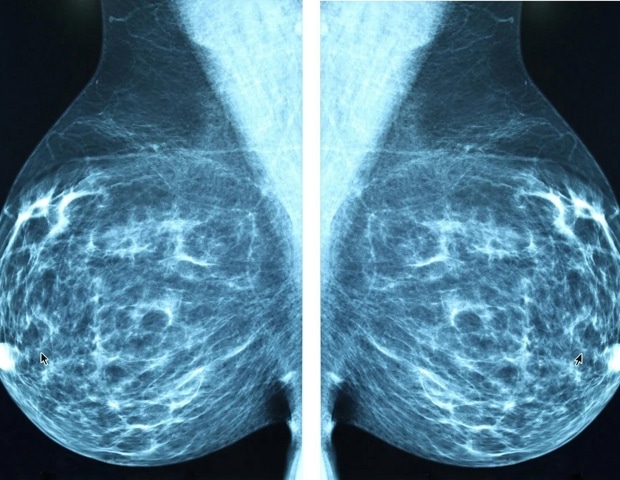
New trial aims to evaluate chemotherapy benefit for ER+/HER2- breast cancer patients News-Medical

Why Breast Cancer Clinical Trials Stop Early: Poor Accrual Remains the Leading Threat to Study Completion oncodaily.com

Giovanni Maria Iannantuono: Key Drivers of Early Termination in Breast Cancer Clinical Trials Oncodaily
7 Breast Cancer Clinical Trials Currently Enrolling in the US Cure Today
Largest Real-World Evidence Study in Early-Stage Breast Cancer; FLEX Surpasses 25,000 Patients Business Wire

A home-injection approach for certain cancer therapies, such as gonadotropin-releasing hormone agonists for breast cancer, could substantially benefit patients, but barriers linked to insurance coverage could hinder program implementation. A pilot program for patients with breast cancer, funded by the NCI Telehealth…
Neoadjuvant Anbenitamab/Chemotherapy Combination Improves Response in ERBB2-Positive Breast Cancer The ASCO Post

Breast Cancer: FDA Approves New Oral Pill to Treat Common Mutation Healthline

A new study by Silent Spring Institute has identified hundreds of chemicals commonly used in pesticide products that could increase the risk of breast cancer. The list includes active pesticide ingredients as well as a significant number of so-called "inert" or inactive ingredients, which typically do not undergo the…