Prostate cancer diagnostic test could reduce unnecessary intensive treatments
Prostate cancer diagnostic test could reduce unnecessary intensive treatments Healthcare Today
312 материалов по теме, собраны автоматически из проверенных источников
Prostate cancer diagnostic test could reduce unnecessary intensive treatments Healthcare Today

A First-of-Its-Kind Drug Could Change How Scientists Fight Prostate Cancer SciTechDaily
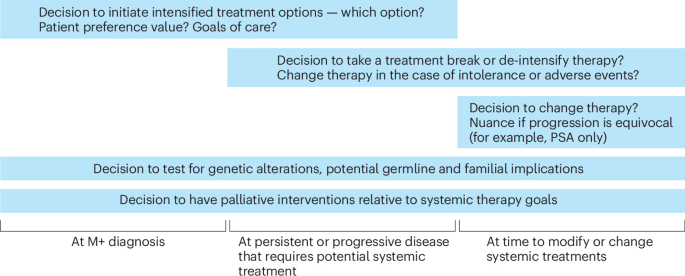
Shared decision-making in the treatment of metastatic prostate cancer Nature

LUNAR Trial Update: ¹⁷⁷Lu-PNT2002 Before SBRT in Oligorecurrent Prostate Cancer Oncodaily

Treatment interruptions in prostate cancer: Balancing PSA kinetics and quality of life Urology Times

Middle-aged men should undergo regular screening for prostate cancer, the American Cancer Society said Thursday in a major change to its guidelines.

A Blood Test Could Help Identify Men With Advanced Prostate Cancer - The Royal Marsden NHS Foundation Trust Oncodaily

The American Cancer Society (ACS) today released an updated guideline for prostate cancer screening to help find cancer before it spreads and reduce the risk of dying from the disease. Key changes include a direct recommendation for prostate-specific antigen (PSA)-based screening every two years for average-risk men…

Experts now recommend regular prostate cancer screening for all men ages 50 to 69 and earlier for higher-risk groups, according to new American Cancer Society (ACS) guidelines.

Men should undergo regular prostate cancer screening regardless of whether they are at average risk or high risk for the disease, according to a guideline update issued by American Cancer Society. The guidance endorses PSA testing every 2 years beginning at age 50 years for men at average risk, a classification that…

The guideline aims to lower prostate cancer deaths, focusing on clinical management strategies to reduce harms associated with PSA testing

A blood test could help identify men with advanced prostate cancer who are more likely to experience longer disease control following targeted radiotherapy, according to research led by The Royal Marsden NHS Foundation Trust, The Institute of Cancer Research, London and University College London. The findings are…

Beyond Checkpoint Inhibitors: The Rise of T-Cell Engagers in Prostate Cancer Oncodaily