County-Level Medical Debt Linked to Advanced-Stage Cancers and Worse Survival Among Newly Diagnosed U.S. Adults
American Cancer Society researchers highlight the need to increase access to affordable care to help improve cancer outcomes

American Cancer Society researchers highlight the need to increase access to affordable care to help improve cancer outcomes

Flight attendants and pilots have higher risks for radiation-related cancer deaths than individuals with other occupations, according to results of a cross-sectional study. The findings — based on analysis of nearly 13 million deaths among people who held more than 500 unique professions — support consideration of…

Two-thirds of a group of adults with intermediate-risk papillary thyroid carcinoma had excellent response to treatment with surgery alone and no radioactive iodine therapy, according to findings published in Clinical Endocrinology. In a single-center retrospective cohort study, researchers assessed outcomes among…

Researchers have uncovered a surprising way triple-negative breast cancer may turn the body against itself. Tumors appear to recruit macrophages—immune cells normally involved in healing and fighting infection—and use them to release a protein called BDNF that draws nerves into the tumor. Those nerves may then help…

Scientists have uncovered why two seemingly opposite ways of targeting the same brain receptor can both promote weight loss. In mice, activating the GIP receptor in the brainstem reduced appetite, while blocking it in the hypothalamus removed a kind of “brake” on fullness signals. The discovery helps explain why very…

Women who used estrogen-only hormone therapy later in life were less likely to develop dementia and showed fewer signs of Alzheimer’s disease in their brains, according to a large study of more than 21,000 participants. Hormone therapy use was linked to 39% lower odds of a dementia diagnosis and 35% lower odds of…

A large study of more than 5,500 adults over 50 found a striking combination of risk factors: abdominal obesity paired with vitamin D deficiency was linked to a 123% higher risk of death over six years. Each condition was associated with increased risk on its own, but together they appeared to create a dangerous…

Researchers have found a striking new way to potentially eliminate HIV soon after infection using a one-time combination of three therapies. In newborn nonhuman primates treated within three days of exposure, the regimen—standard antiretroviral drugs, broadly neutralizing antibodies, and the experimental antibody…

New investment will support the next generation of cancer research leaders while building on seven years of transformative partnership

UCLA researchers have created a blood test that can scan DNA signals for multiple cancers, liver diseases, and signs of organ damage—and even indicate where trouble may be developing. Early results suggest the inexpensive approach could bring medicine closer to a single blood test capable of catching a wide range of…
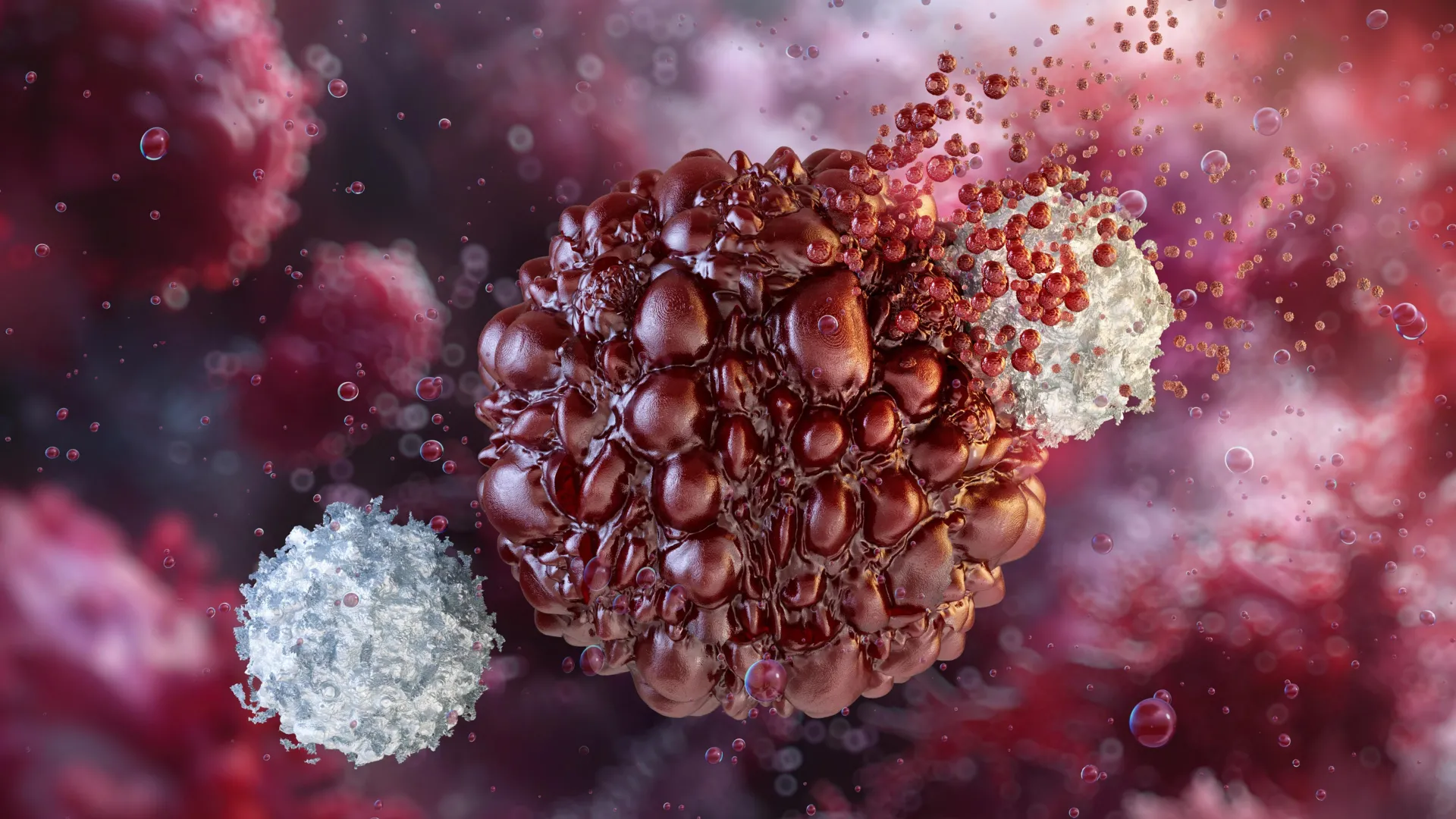
A protein that evolved long before the human circulatory system may help unlock stronger cancer treatments. When C3 is produced inside tumors, it blocks immune-suppressing cells and gives immunotherapy a better chance to work. Researchers were even able to recreate this effect in resistant tumors, significantly…

Linus Pauling was widely mocked for claiming that vitamin C could fight cancer, especially after trials using vitamin C pills showed no benefit. Researchers now know that intravenous vitamin C reaches vastly higher concentrations and can behave more like an experimental cancer drug than an ordinary supplement. Early…

Blocking the glycine transporter SLC6A20 restored important brain signaling and improved social, communication, and repetitive behaviors in autism-related mouse models. The treatment also worked in human brain organoids and showed lasting effects in adult mice, suggesting the brain may remain more treatable later in…
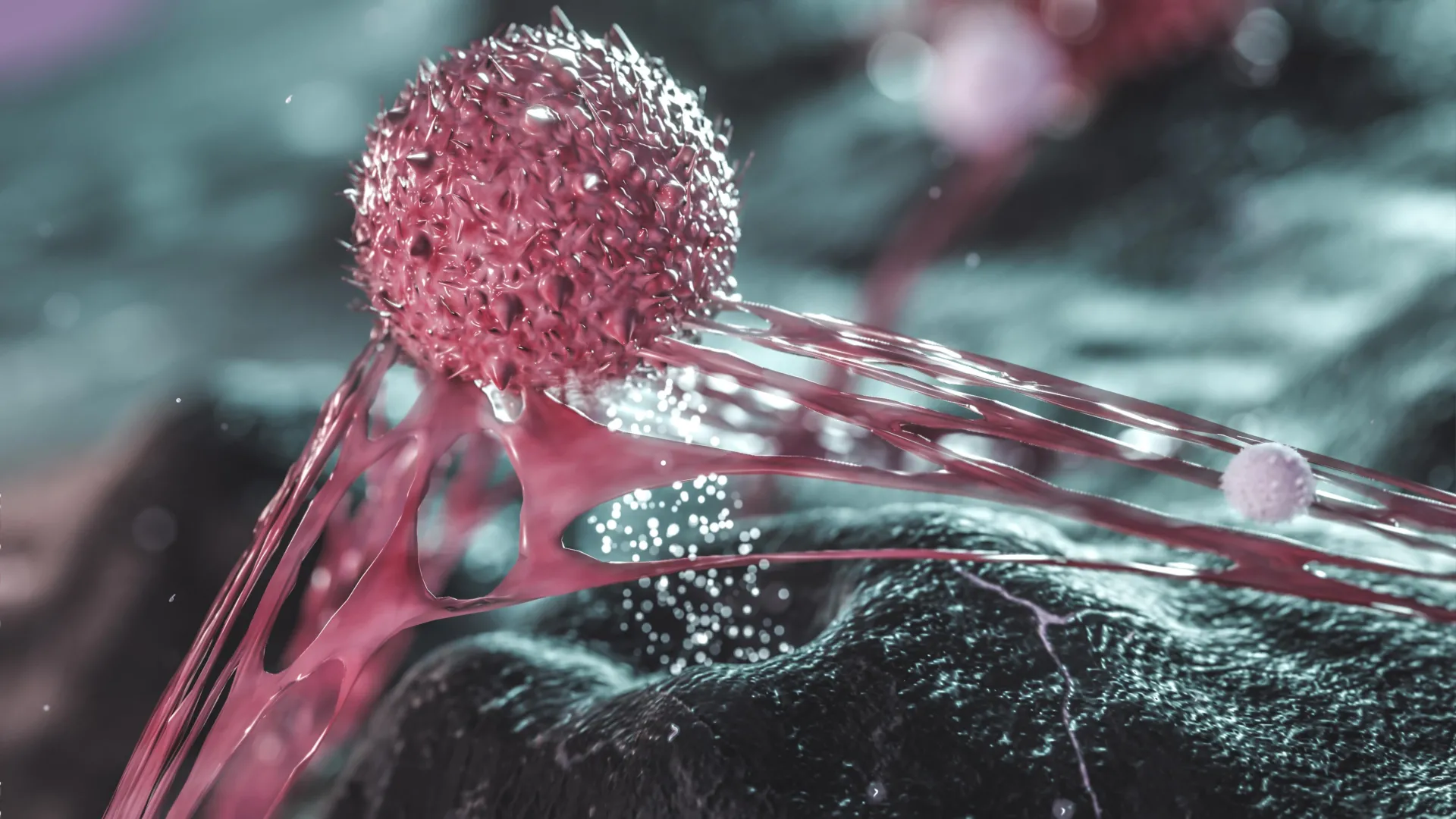
Chemotherapy-surviving ovarian cancer cells may release fructose to help neighboring tumor cells loosen, escape, and spread. The discovery suggests that sugary diets and cholesterol-lowering drugs could influence cancer progression, though the effects have not yet been confirmed in patients.

Cancer cells rely on powerful genetic switches to keep growth genes running at full speed, but that intense activity can damage their own DNA. The resulting breaks are repeatedly repaired, sometimes with small mistakes that allow new mutations to accumulate. Researchers believe this self-inflicted damage may help…