Insurance Coverage Lags as Cancer Science, Treatment Move Forward
Insurance Coverage Lags as Cancer Science, Treatment Move Forward cancerhealth.com

Insurance Coverage Lags as Cancer Science, Treatment Move Forward cancerhealth.com

A phase 1 clinical trial led by investigators at Mass General Brigham Cancer Institute and the University of Chicago Medicine Comprehensive Cancer Center has found that an investigational CAR-T therapy can lead to deep and durable responses in people with relapsed or refractory multiple myeloma. Results are published…

Advancing Cancer Research for a Healthier Kenya – National Cancer Institute of Kenya Oncodaily
Local Treatment to Metastatic Sites in Metastatic Urothelial Cancer - Laura Mertens & Comron Hassanzadeh UroToday

An FDA advisory panel expressed support for a blood test designed to detect early signs of multiple cancers, including some for which no screening alternative exists. Members of the Medical Devices Advisory Committee’s Molecular and Clinical Genetics Panel voted 7 to 2 with one abstention that the benefits of Galleri…
Pancreatic Cancer Action Network Collaborative Catalyst Research Award 2027 Oncodaily

Immuno 2026 Opens with Global Leaders Exploring the Next Decade of Cancer Immunotherapy Oncodaily

Variety of Yale Cancer Center Research Highlights to be Presented at Radiation and Oncology Conference | Newswise Newswise

Targeting KDM2B or downstream protein complexes it recruits may exploit a vulnerability in high-risk medulloblastoma subgroups that currently lack targeted therapies, according to a study led by St. Jude Children's Research Hospital and Hopp Children's Cancer Center Heidelberg (KiTZ). The researchers found that Group…

Врач рассказал о неочевидных симптомах рака крови health.mail.ru

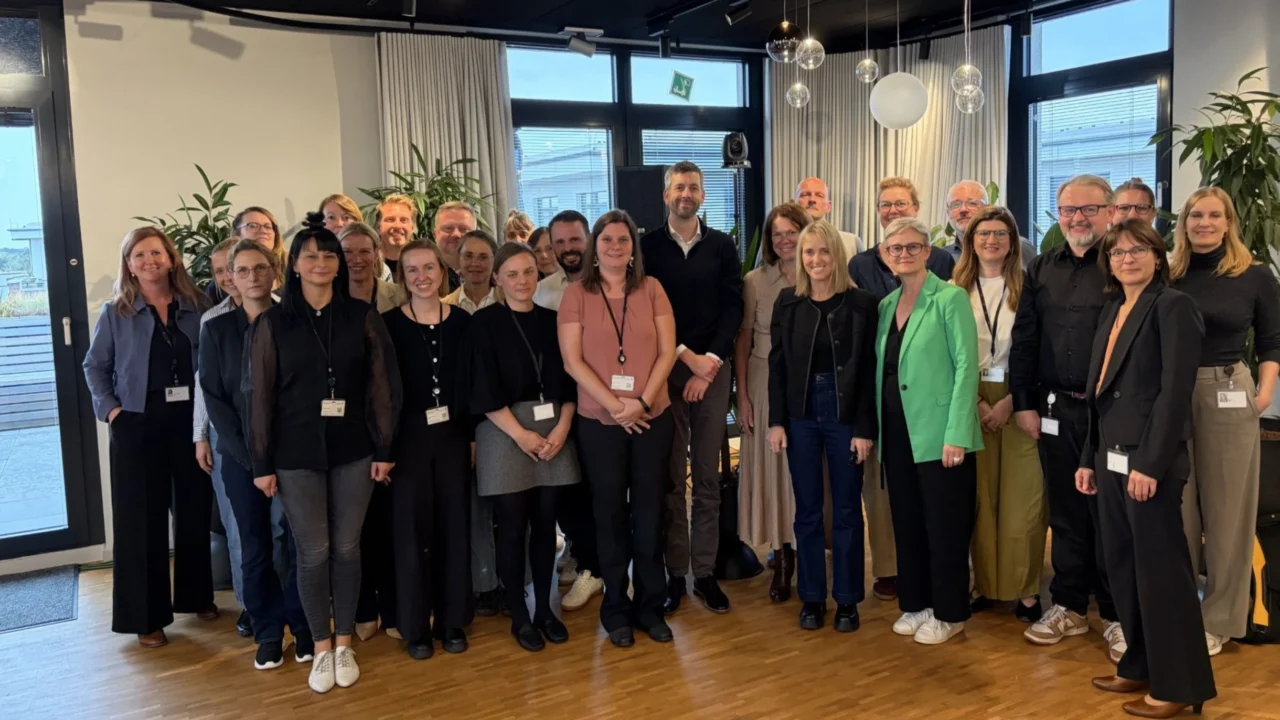
Leora Horn: The People Behind Progress in Cancer Clinical Trials Oncodaily

UNR Med and Renown advance cancer research with seed grant funding University of Nevada, Reno

Antonio Lázaro Sánchez: Counting Cancer Trials Is Not the Same as Measuring Patient Access Oncodaily

More than 90% of children born with the rare bone marrow condition Shwachman-Diamond syndrome (SDS) survive beyond age 20. But fewer than 30% live beyond age 50. Long-term survival could improve if clinicians act on early signs of high risk, according to a study published, in The New England Journal of Medicine.